
Learning how to play online slots and win is less about finding a secret formula than understanding how the machine actually handles your money. Each spin is an independent random event, generated by a certified random number generator that determines the symbols before you press anything. That matters because visible patterns, “hot” periods, and near misses do not change the next outcome. The practical edge comes from choosing transparent games, understanding volatility and paylines, controlling stakes and session length, and recognising when a bonus feature does or does not suit your budget. Different players need different things: a beginner may first need a simple explanation of reels and symbols, while an experienced player may be evaluating long-session mathematics rather than game appearance.
What actually happens when you play an online slot
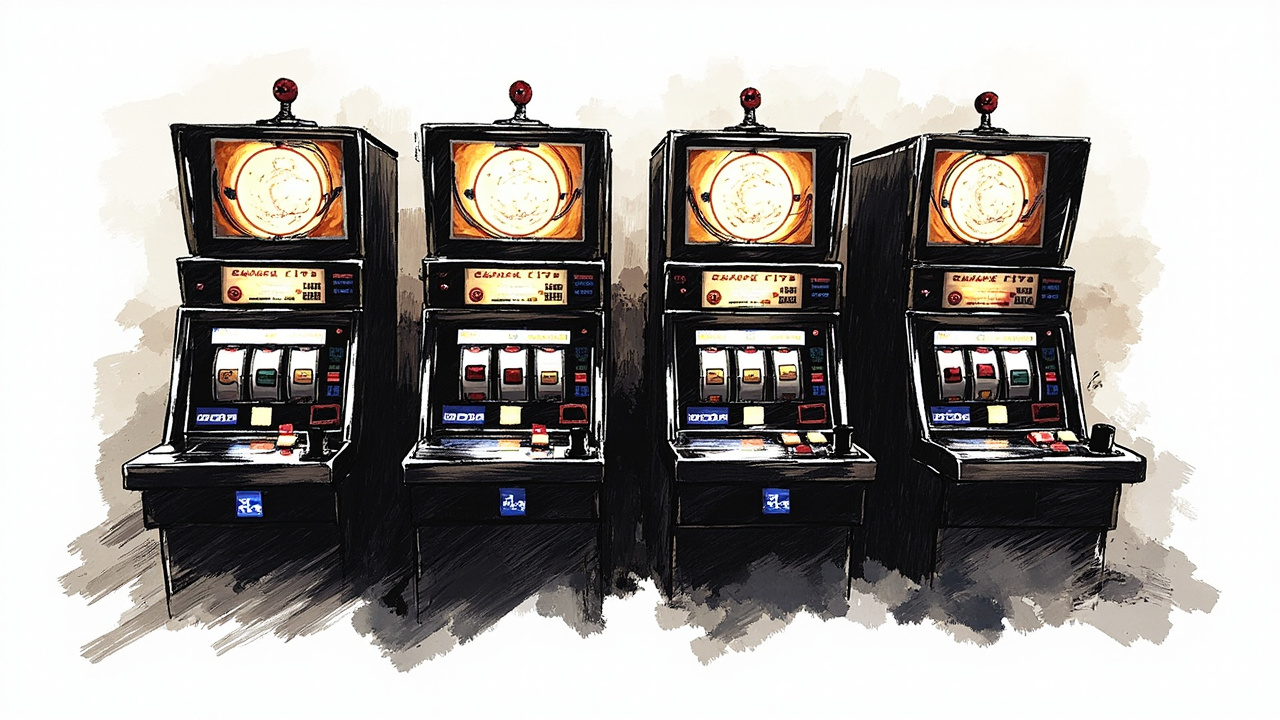
An online slot resembles a traditional reel machine, but the reels are usually rendered on screen and can produce more combinations than a physical cabinet. When you click spin, the game requests a random result from its random number generator. The displayed animation is essentially a presentation of that result, not a process you can influence by timing. Changing the bet size or stopping the reels cannot alter which symbols appear next.
If you’re new to online slots, it’s helpful to start with slot basics explained on gamblingsitesslots.net before playing for real money. Understanding paylines, symbols, and bonus features can make each spin easier to follow. Always check the game’s paytable and set a budget before you start.
Paylines are the paths along which symbols must align to pay. A game may have one fixed line, several adjustable lines, or a “ways to win” system that counts symbol positions rather than lines. The paytable is therefore essential: it shows symbol values, special-symbol functions, multiplier behaviour, and whether wins are paid from left to right, both directions, or in clusters.
Volatility describes how frequently and how heavily a game tends to pay. A low-volatility slot often returns smaller amounts more regularly; a high-volatility slot may produce longer stretches without a win and then larger payouts. Return to player, or RTP, is a theoretical average calculated over an enormous number of spins, not a promise for one session. For example, a 96% RTP means that, across enough plays in the long run, the game retains roughly 4% of all staked money. It says nothing about what your first hundred spins will do.
For the underlying terminology, slot basics explained on gamblingsitesslots.net provides a useful starting point. More important, though, is learning to read each game’s rules before wagering. A visually impressive title may have restrictive features, such as limited adjustable paylines, high minimum bets for bonuses, or a jackpot contribution that requires an unexpectedly large stake.
Choosing games according to your playing style
The first profile is the cautious beginner, who wants to understand outcomes without confusing a long losing run with a faulty game. This player should use a small, fixed percentage of a disposable entertainment budget – often 1% to 2% is conservative – and avoid increasing a stake simply to “recover” a loss. Choose games with clearly displayed rules, visible paytables, and a bet range that allows small increments. Low-volatility games may be easier to follow because wins tend to arrive more regularly, although their payouts can still be modest.
The second profile is the experienced recreational player, who already understands reels but wants to compare games more rigorously. Here, volatility, maximum win, bonus triggers, and session mathematics matter more than theme or presentation. Some players prefer frequent low-value events that keep a session moving; others accept sparse results in exchange for the possibility of larger pays. Neither preference improves the random number generator. It simply changes how quickly the bankroll is likely to be consumed and how large individual outcomes may become.
A useful comparison might look like this:
| Feature | What it actually means | What to check before playing |
|---|---|---|
| RTP | Long-run theoretical return to players | Published game information and any changes by operator |
| Volatility | Typical frequency and size of outcomes | Game rules or displayed volatility rating |
| Paylines | Paths used to form winning combinations | Whether lines are fixed or adjustable |
| Bet size | Total amount risked per spin | How stake changes affect paylines or bonus entry |
| Max win | Largest possible award stated by the developer | Whether it is a fixed prize, multiplier, or progressive amount |
Avoid judging a slot by another player’s result. A screenshot of a large win does not reveal the hundreds or thousands of spins that may have preceded it. Likewise, a long dry spell is not evidence that a “due” payout is approaching. Every spin retains the same odds within a game, even if the stake changes.
Bonus features, progressive jackpots, and realistic bankroll control
Features such as free spins, expanding symbols, hold-and-spin rounds, and multipliers add variety, but they do not make losing bets impossible. A free-spin feature may award a fixed number of spins, sometimes with enhanced symbols or multipliers. It is not the same as “risk-free money”: any wagering condition attached to bonus winnings should be read carefully. A hold-and-spin feature may offer better prize frequency, yet each individual reel within it remains random.

The third profile is the jackpot-focused player, attracted mainly to large advertised prizes. This requires checking the prize pool, contribution rules, and qualification conditions. A progressive jackpot can grow across multiple games or sites, but a displayed amount is not necessarily available to the next player. Often, the largest prize requires a specific wager, and lower stakes may qualify only for a proportion. If the prize is pooled rather than fixed, its value can fall if no one wins before a cap is reached.
A comparison of five-reel slots and live casinos can clarify how different formats present their mechanics, although presentation alone says little about payout quality.
Bankroll control is the feature that most often determines how long play lasts. Decide the maximum loss before opening the game, not after the balance falls. Divide that amount into smaller sessions, choose a comfortable stake, and stop when the preset limit is reached. Winning does not automatically justify raising stakes; some players set both a stop-win and stop-loss target. A typical session might last 30 minutes to two hours, but duration should follow the budget rather than the clock.
Keep records of deposits, withdrawals, and net results if gambling becomes a regular activity. Use casino tools such as reminders, time limits, or account restrictions when available. Never borrow to play, never chase losses, and treat any bonus as a promotional incentive rather than a system for generating income. The most effective “strategy” is not predicting symbols; it is reducing avoidable costs, checking the rules, and leaving before poor decisions begin.